


Essential Tips for Caring for Your Sinuses During Winter Months
Updated: Dec 11, 2025
Winter brings cold weather, dry air, and indoor heating that can all take a toll on your sinuses. Many people experience sinus discomfort during this season, including congestion, dryness, and even infections. Taking care of your sinuses in winter is not just about comfort—it helps prevent more serious issues like sinusitis and keeps your respiratory system healthy. This article explains why your sinuses need extra attention in winter and offers practical tips to keep them clear and comfortable.
Why Sinuses Are Vulnerable in Winter
Your sinuses are air-filled cavities in your skull that help warm and humidify the air you breathe. In winter, several factors challenge their normal function:
Dry indoor air from heaters strips moisture from the nasal passages, causing dryness and irritation.
Cold outdoor air can constrict blood vessels in the nose, reducing natural mucus flow.
Increased exposure to viruses as people spend more time indoors close to others, raising the risk of colds and sinus infections.
Allergens like dust and mold often increase indoors during winter, triggering inflammation.
When sinuses dry out or become inflamed, mucus thickens and drainage slows. This creates an environment where bacteria or viruses can multiply, leading to sinus infections or chronic sinus problems.
Signs Your Sinuses Need Attention
Recognizing early symptoms helps you act before discomfort worsens. Watch for:
Persistent nasal congestion or stuffiness
Dry, irritated, or itchy nose and throat
Headaches or facial pressure around the forehead, cheeks, or eyes
Post-nasal drip causing cough or sore throat
Reduced sense of smell or taste
Frequent sneezing or nasal irritation
If these symptoms last more than 10 days or worsen, it may indicate a sinus infection requiring medical advice.
Practical Tips to Protect Your Sinuses in Winter
Keep Indoor Air Moisturized
Dry air is the biggest enemy of healthy sinuses in winter. Use these methods to maintain moisture:
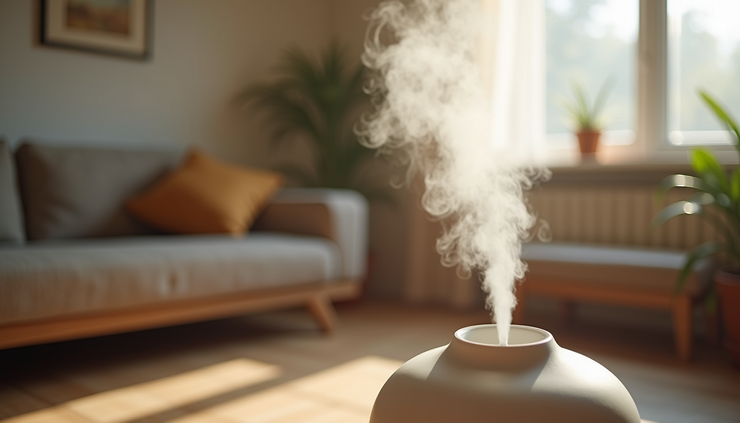
Use a humidifier in your bedroom or living areas to keep humidity between 40% and 60%. This level prevents dryness without encouraging mold growth.
Place bowls of water near heat sources to evaporate moisture naturally.
Avoid excessive use of fireplaces or heaters that dry out the air quickly.
Stay Hydrated
Drinking plenty of fluids thins mucus, making it easier for sinuses to drain. Aim for:
At least 8 glasses of water daily
Warm herbal teas or broths to soothe nasal passages
Avoid excessive caffeine or alcohol, which can dehydrate you
Practice Gentle Nasal Care
Caring for your nasal passages helps clear irritants and maintain moisture:
Use saline nasal sprays or rinses daily to flush out allergens and mucus. Saline is gentle and safe for regular use.
Avoid overusing medicated nasal sprays, which can cause rebound congestion if used longer than 3 days.
Gently blow your nose one nostril at a time to avoid pressure build-up.
Protect Your Nose Outdoors
Cold air can irritate sinuses, so take precautions when outside:
Cover your nose and mouth with a scarf to warm the air before it enters your sinuses.
Avoid sudden temperature changes by dressing in layers.
Limit time spent in very cold or windy conditions.
Maintain Good Hygiene
Prevent infections by reducing exposure to germs:
Wash your hands frequently, especially after being in public places.
Avoid touching your face and nose with unwashed hands.
Clean surfaces regularly to reduce virus spread.
Use Steam Therapy
Inhaling steam helps loosen mucus and soothe irritated sinuses:
Boil water and pour it into a bowl, then lean over with a towel covering your head to trap steam.
Breathe deeply for 10-15 minutes once or twice daily.
Add a few drops of eucalyptus or peppermint oil for added relief, if you tolerate scents.
Monitor Allergies
Winter allergens like dust mites and pet dander can worsen sinus issues:
Wash bedding weekly in hot water.
Use allergen-proof mattress and pillow covers.
Vacuum frequently with a HEPA filter vacuum cleaner.
Consider consulting an allergist if symptoms persist.


Comments